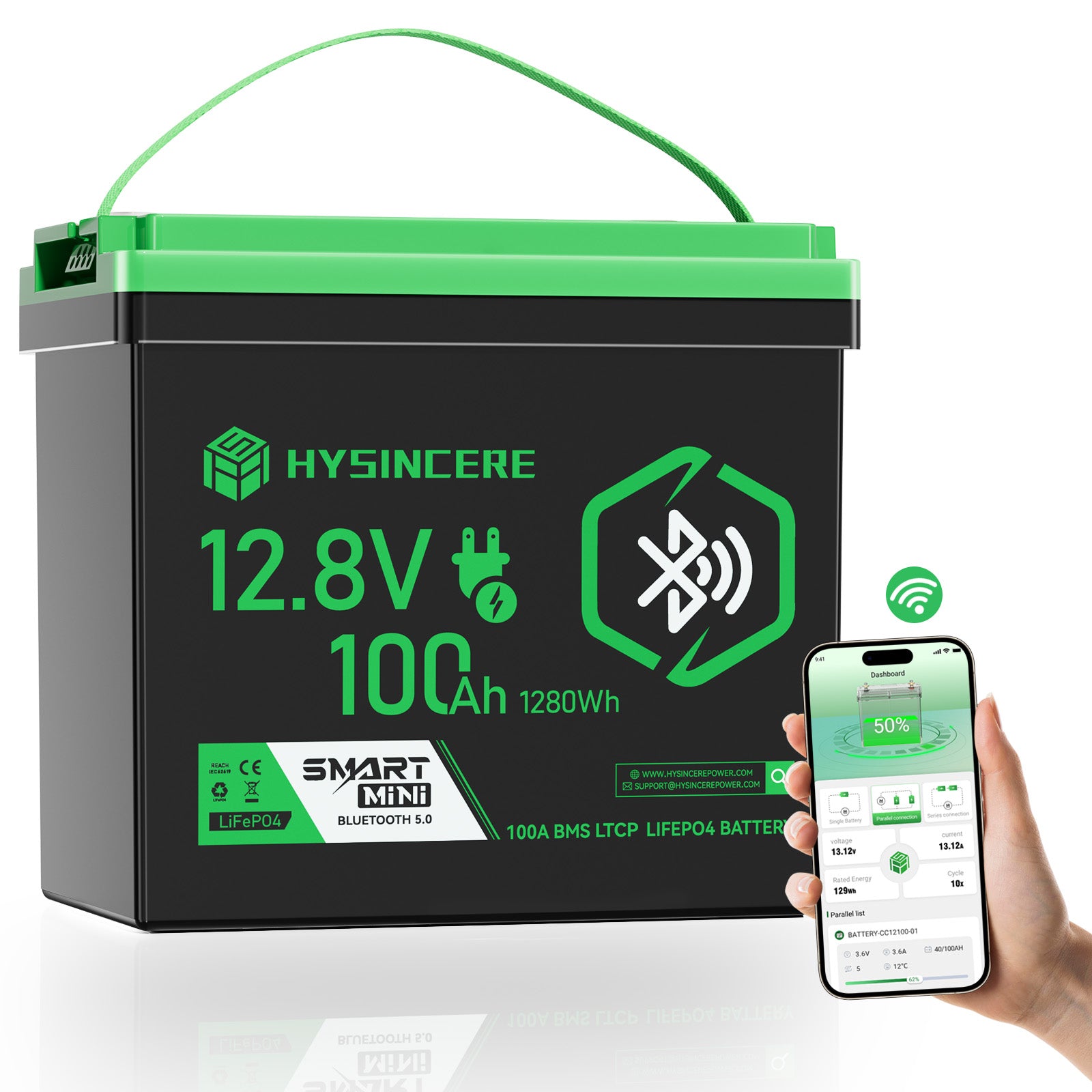
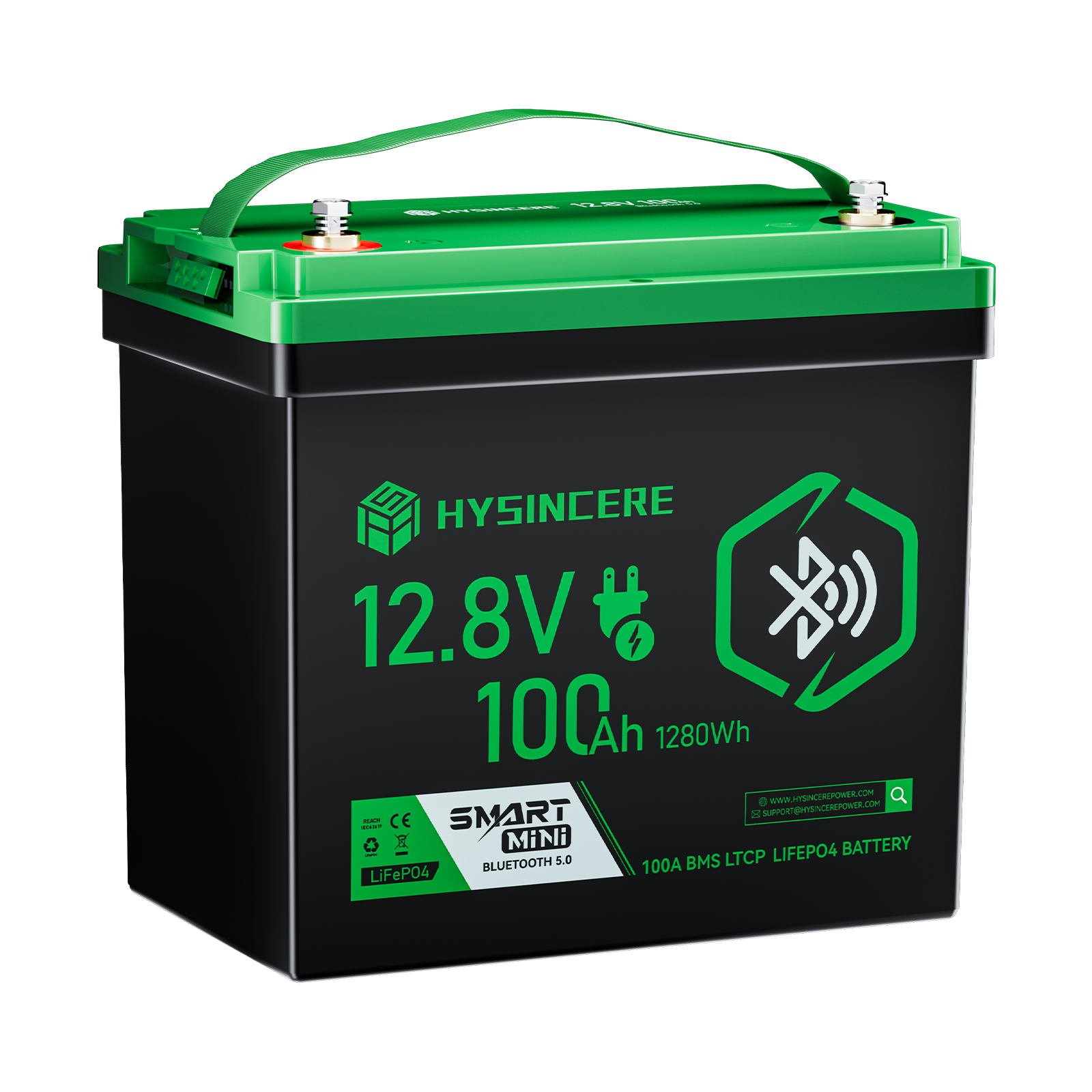
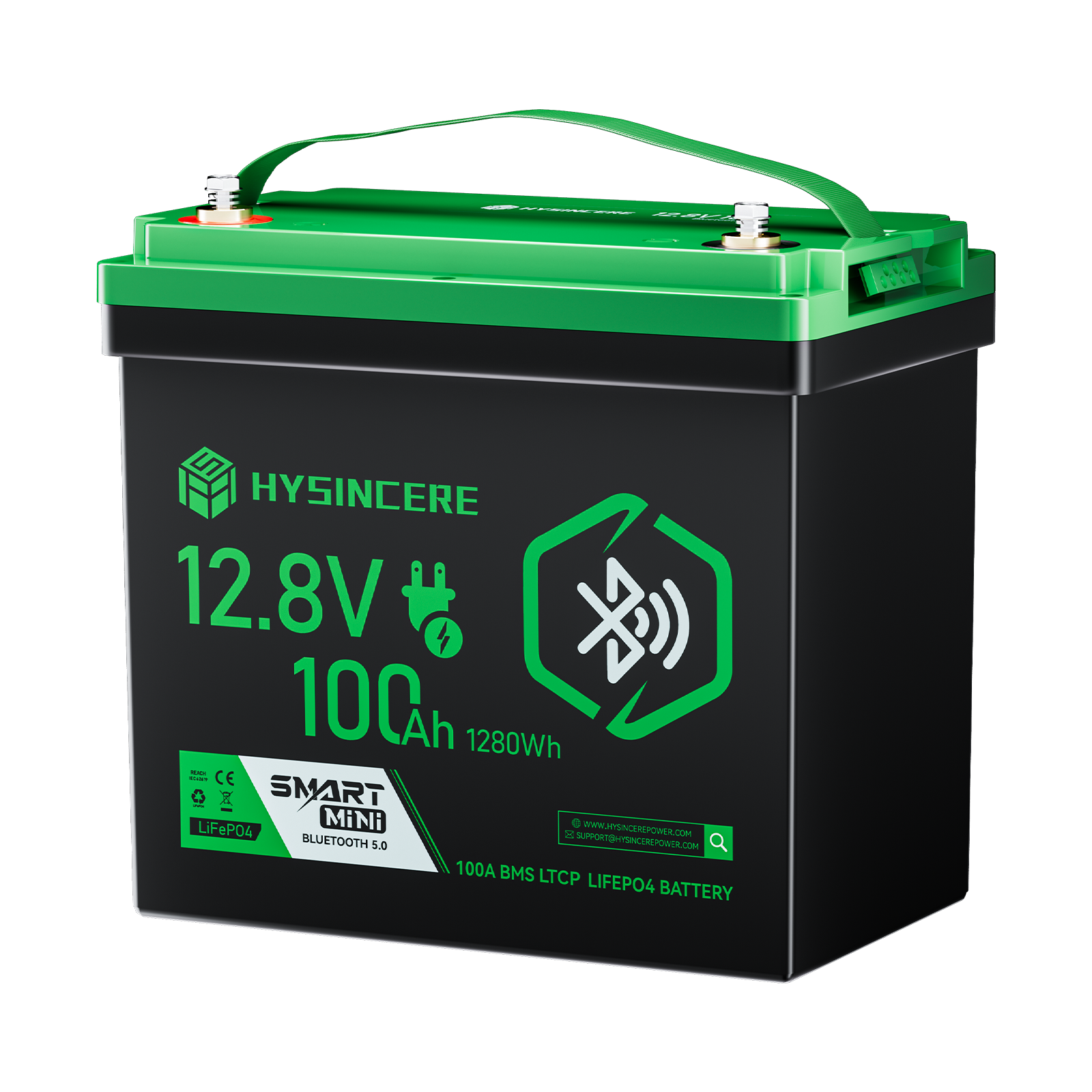
Hysincere Power LiFePO4 Lithium Batteries & Accessories

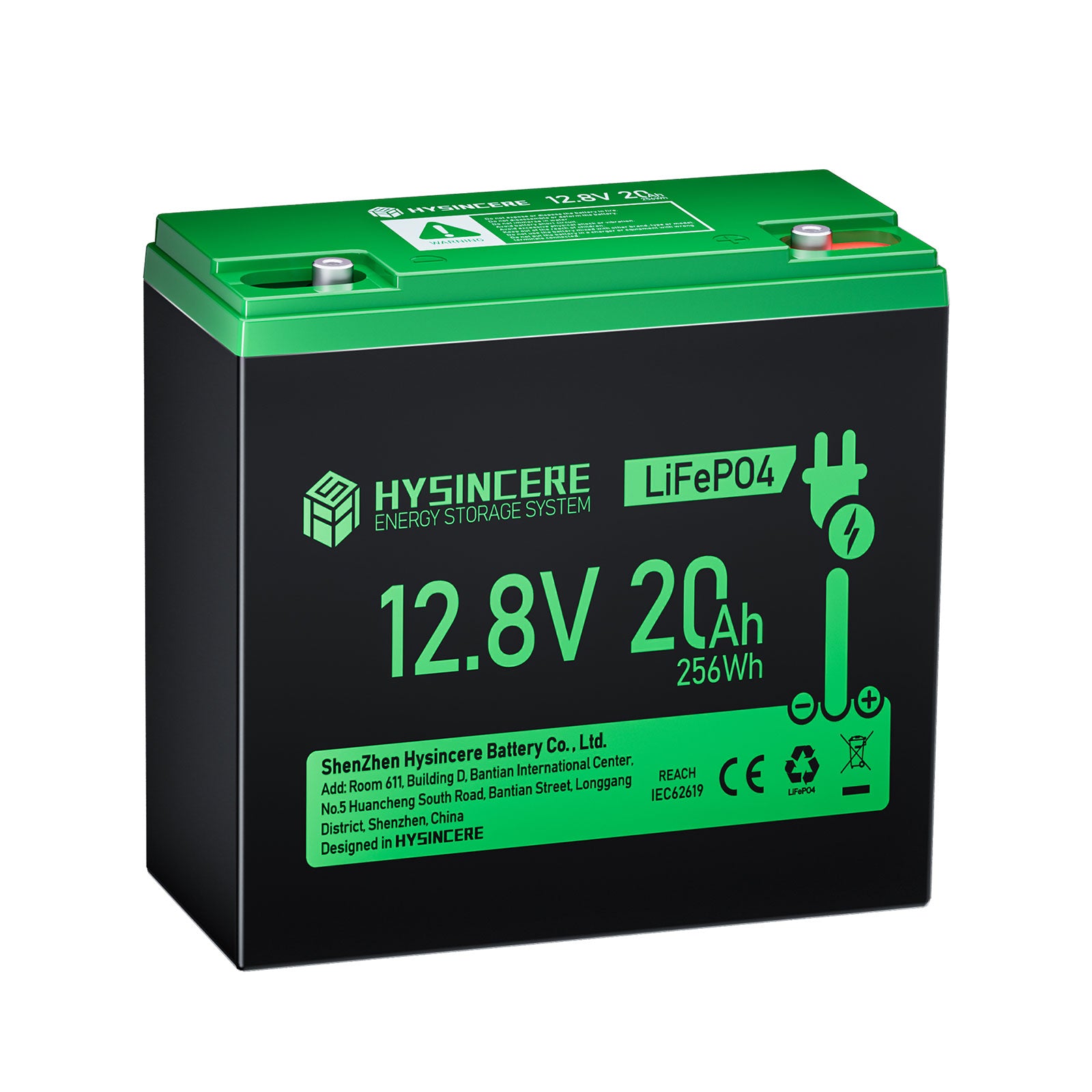
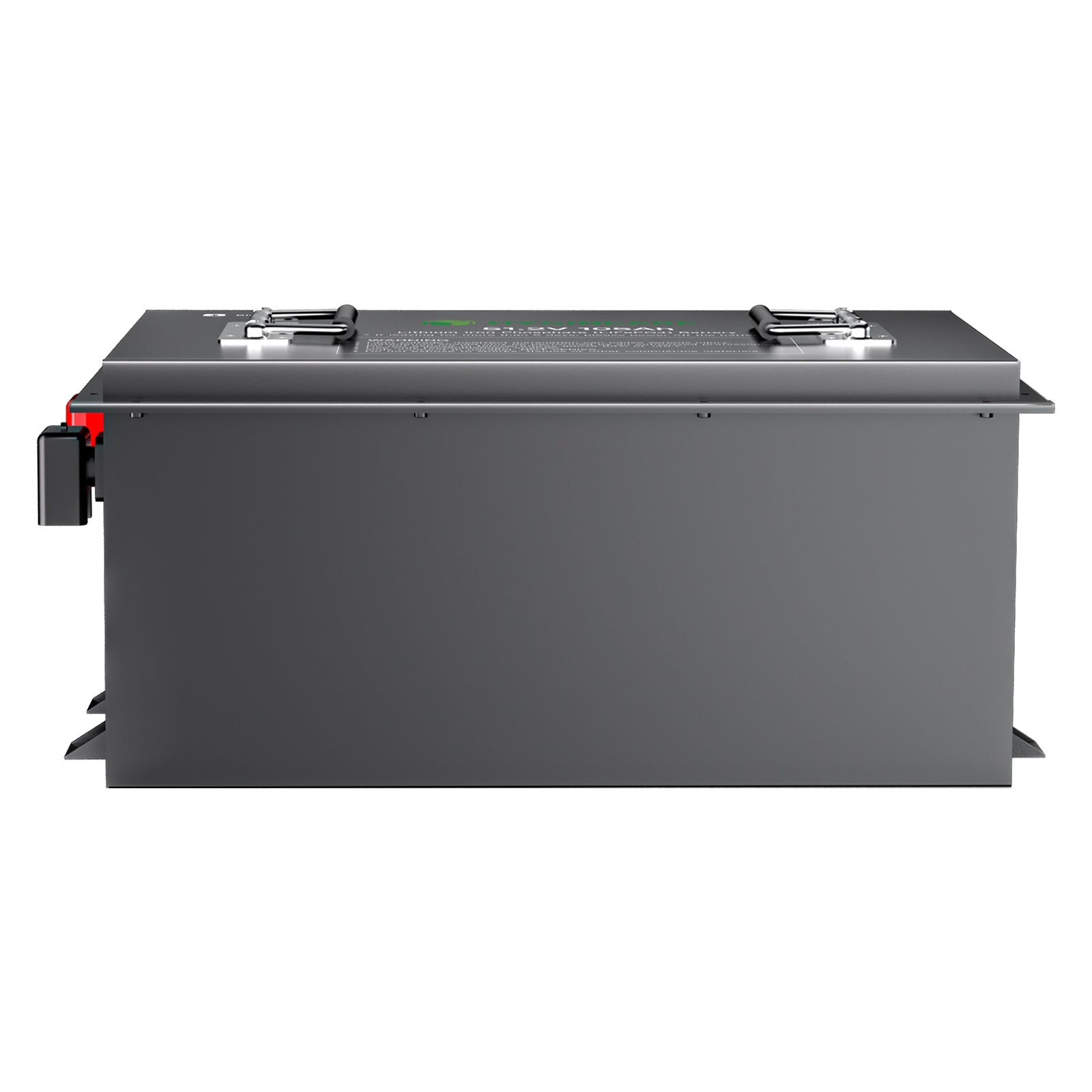
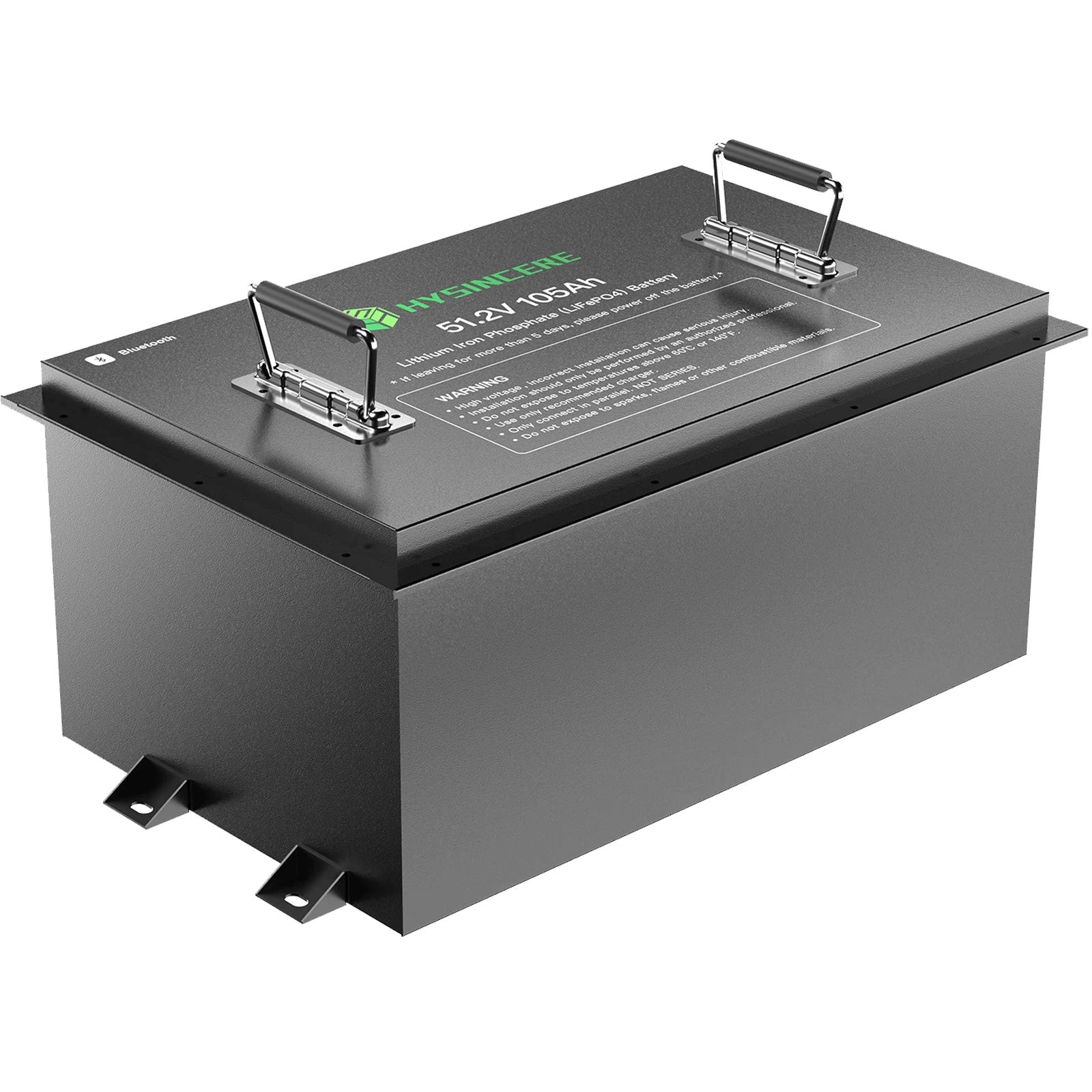
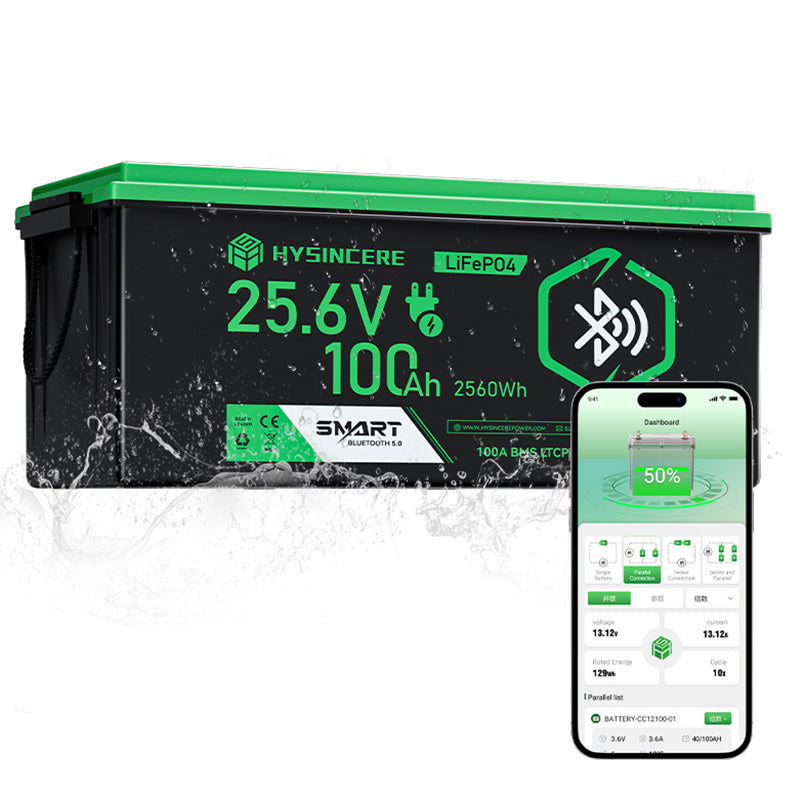
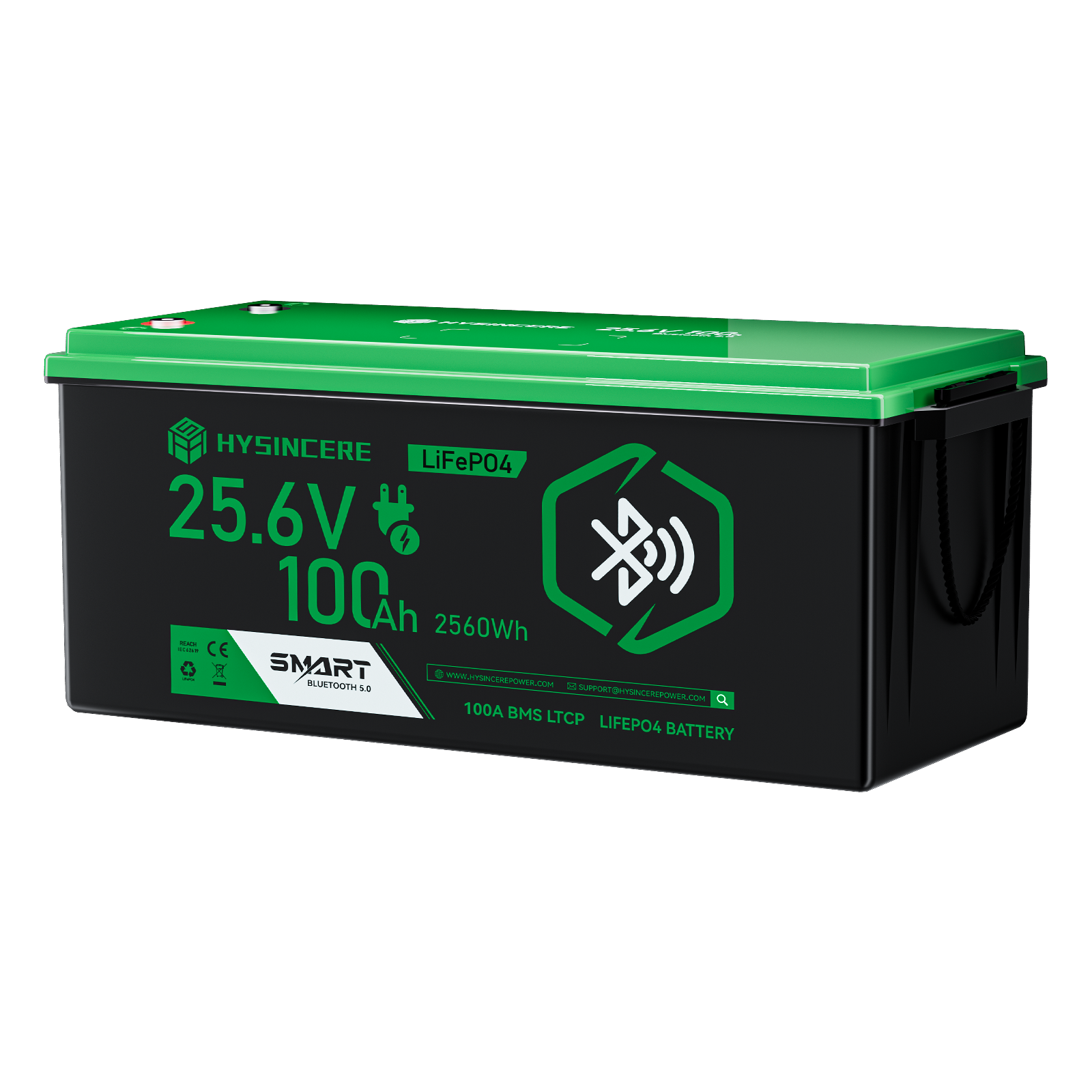
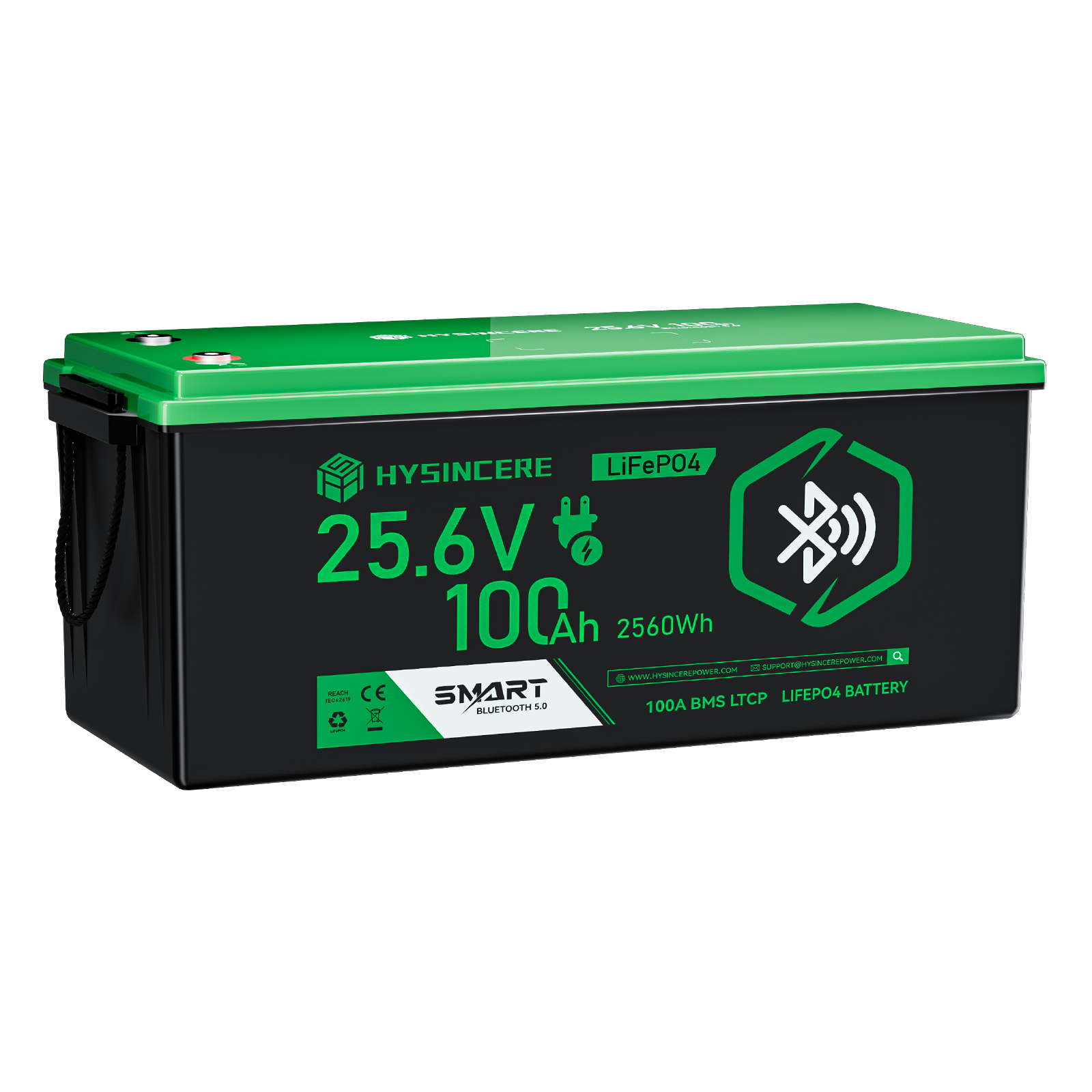
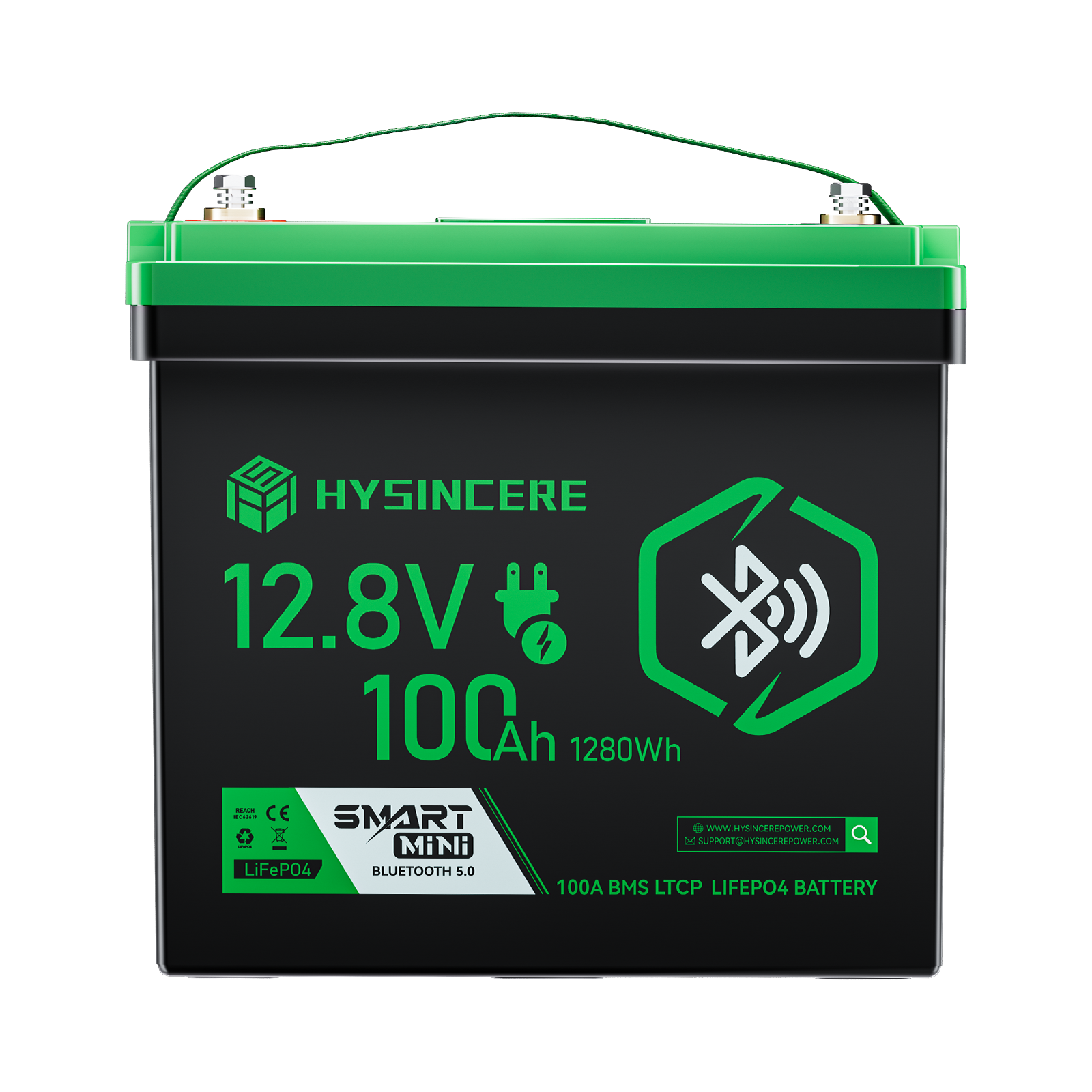
Hysincere Power offers a full range of LiFePO4 lithium batteries designed for solar systems, RVs, marine power and off-grid energy storage. Each battery delivers long cycle life, stable performance and reliable deep-cycle power for both home and outdoor applications. Explore all models to find the battery that fits your system needs.

17 products

FAQs about LiFePO4 Batteries

Why is LiFePO4 considered the best choice for deep cycle applications?

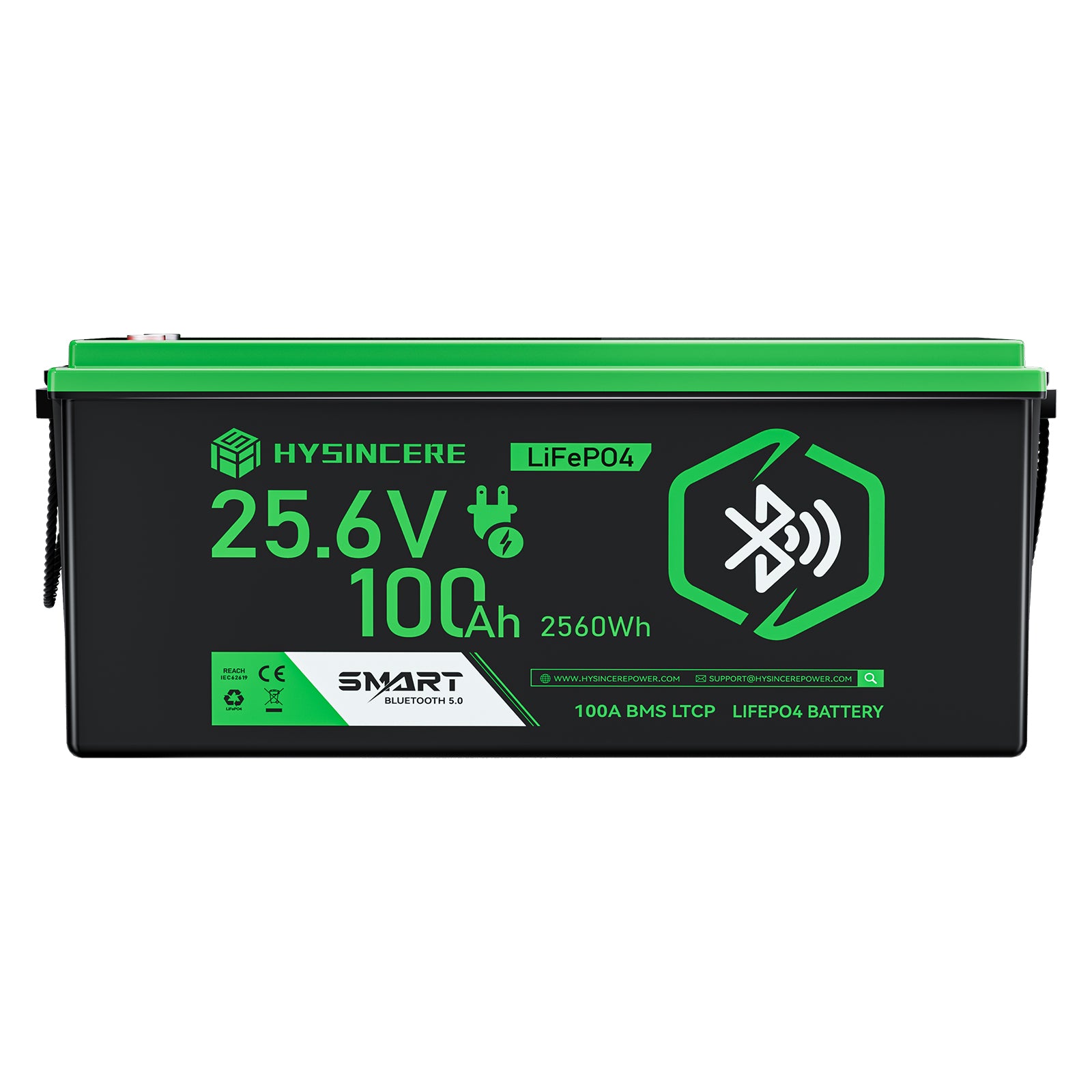
LiFePO4 (Lithium Iron Phosphate) is the gold standard for deep cycle energy storage due to its unmatched efficiency and longevity. Compared to traditional lead-acid batteries, a LiFePO4 deep cycle battery offers up to 10x the lifespan (4,000 to 15,000+ cycles) and is 1/3 the weight. Crucially, lithium allows for 100% Depth of Discharge (DOD), providing constant power delivery throughout the discharge cycle without the voltage drop or internal damage common in AGM or Lead-Acid batteries.

Can I use a Hysincere Power LiFePO4 battery as a starting battery?

No. Hysincere Power LiFePO4 battery can not be used as starting batteries but energy storage, please do not use them to start any devices.

What is the best way to charge a LiFePO4 lithium battery?

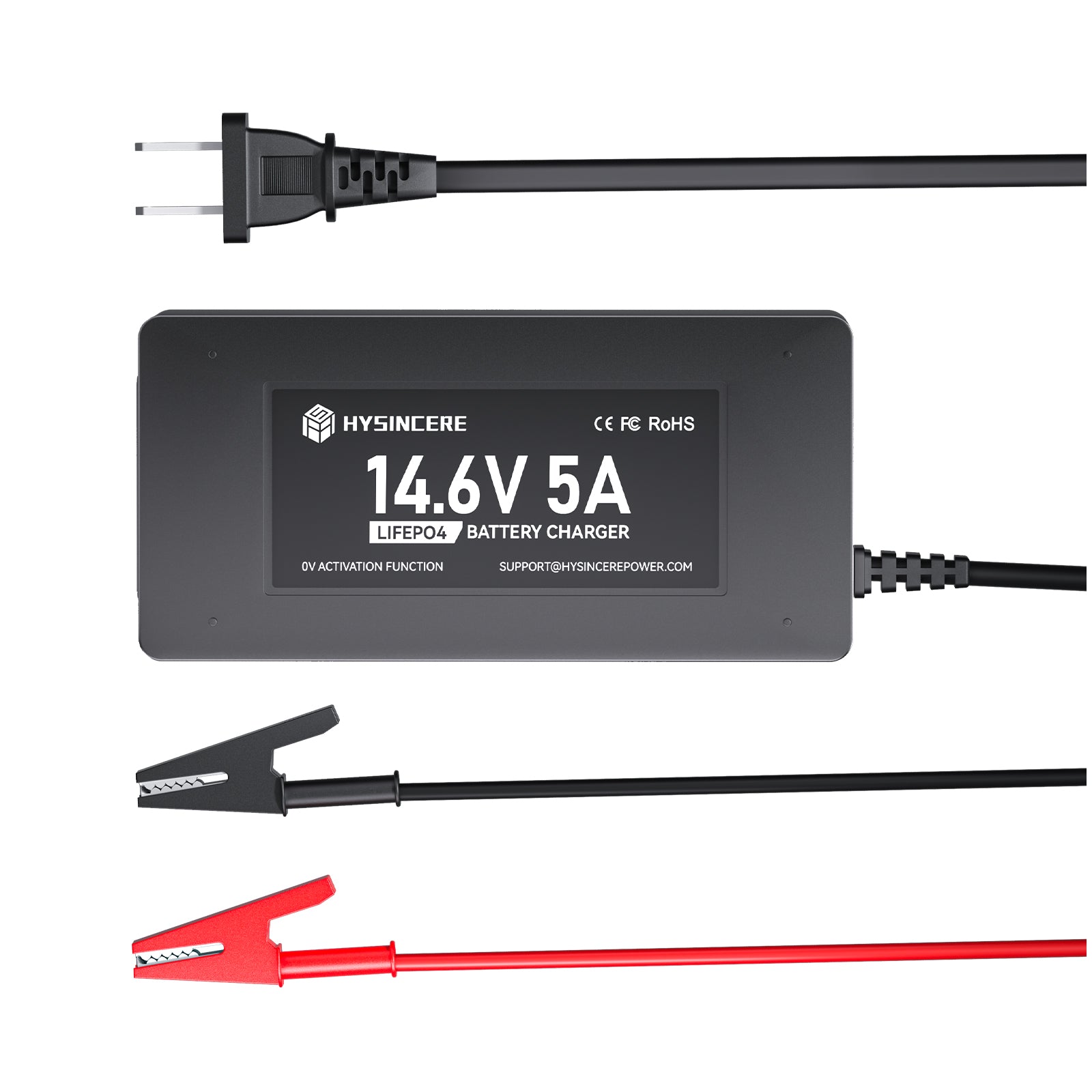
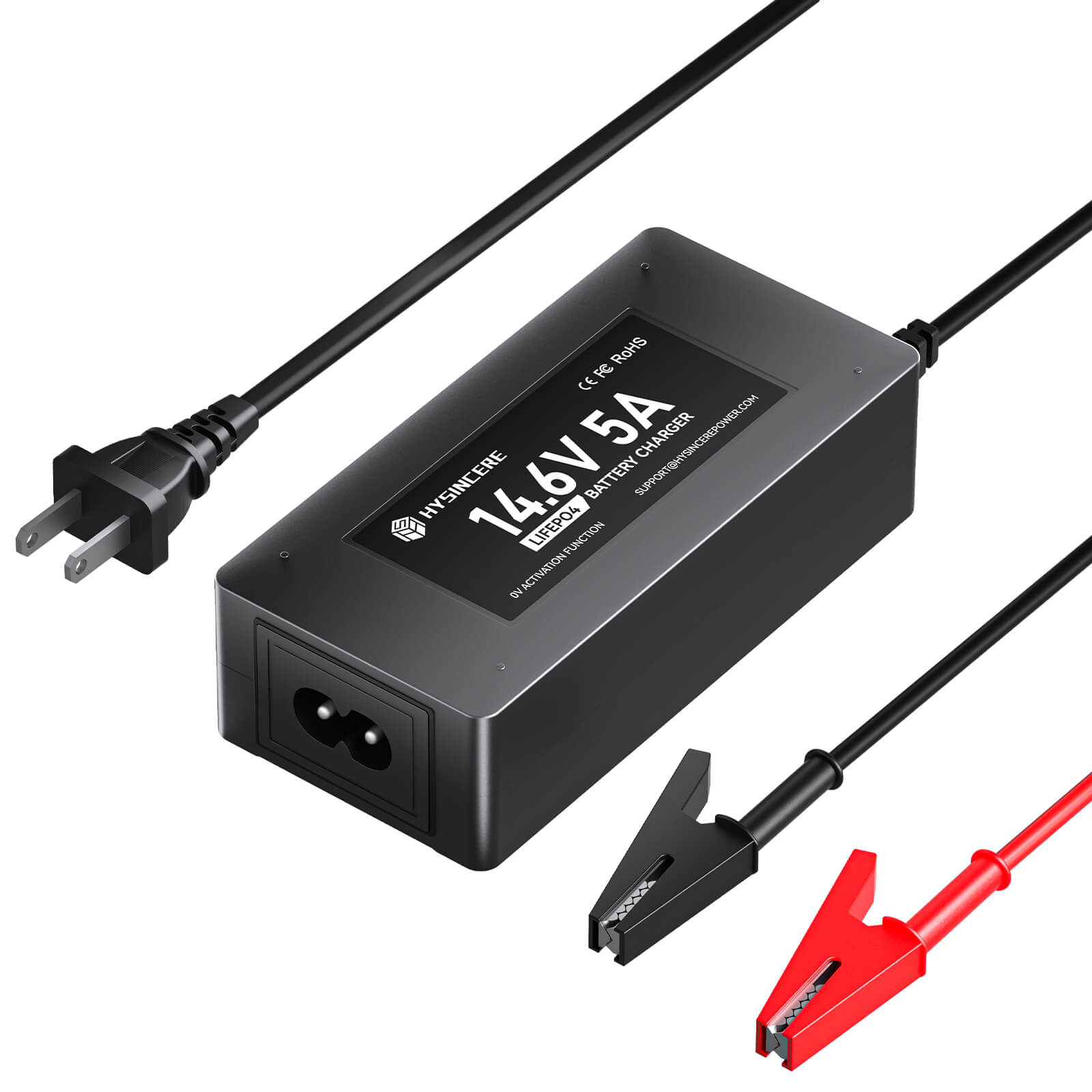
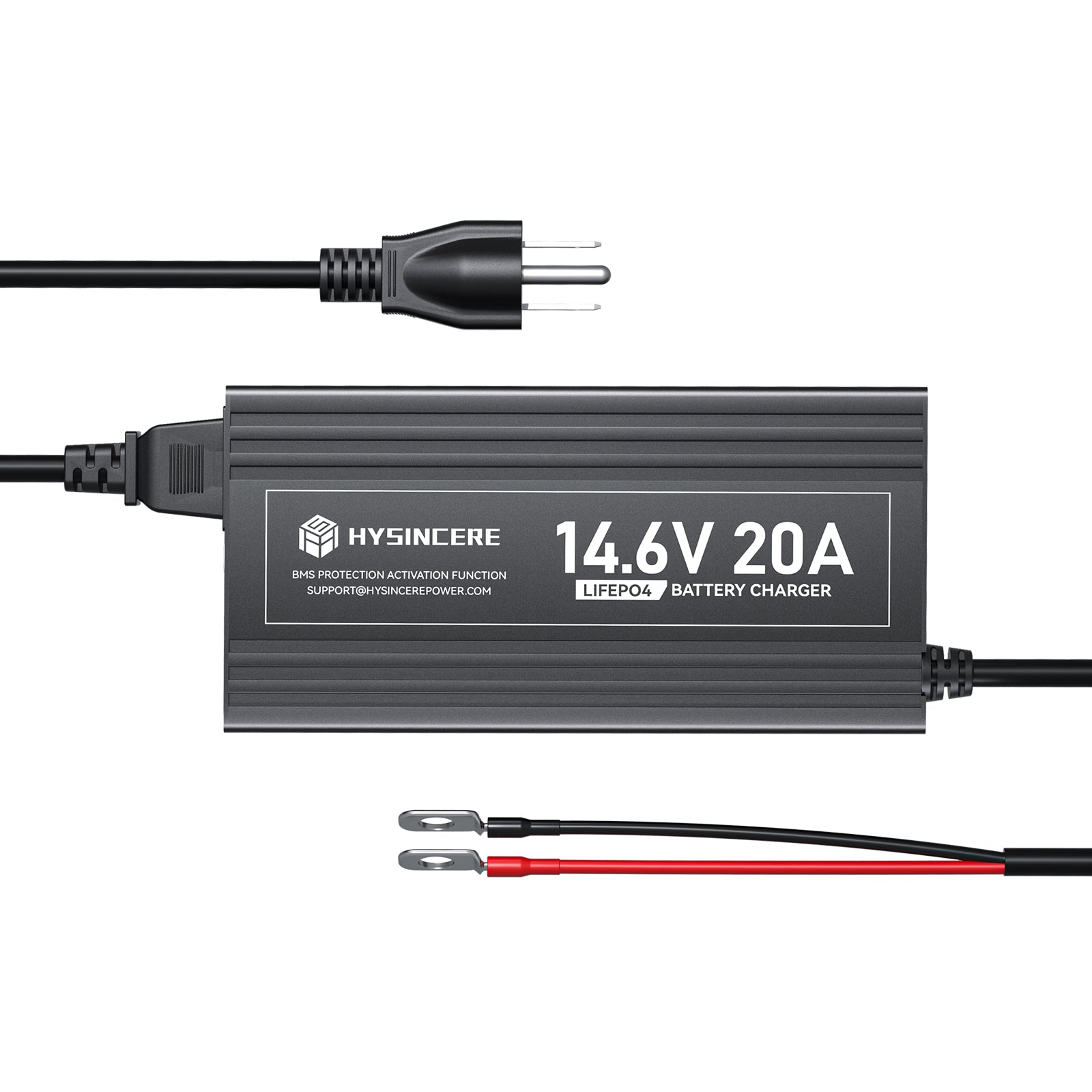
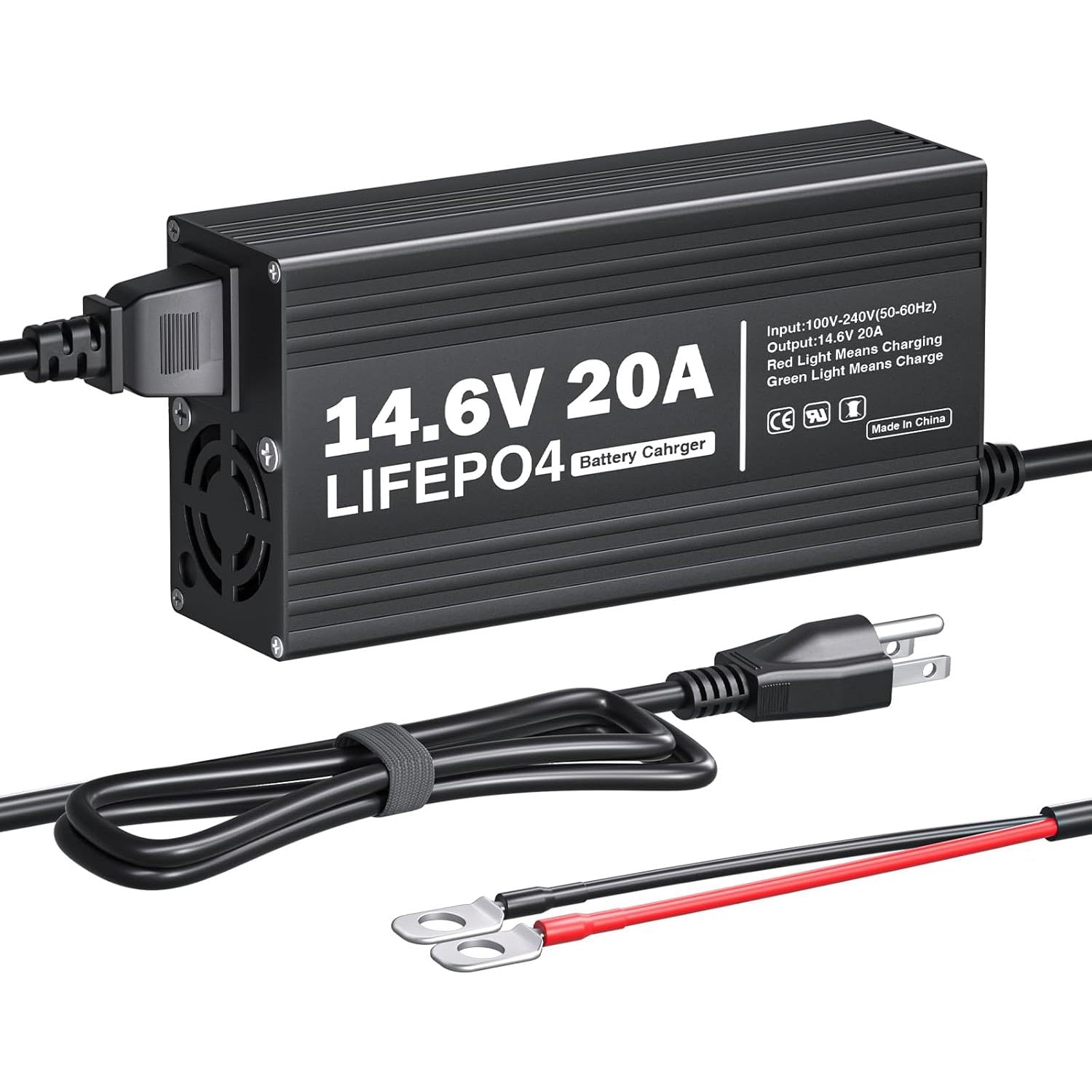
For optimal lifespan, you should use dedicated chargers for lithium ion batteries. While some lead-acid chargers work, a specific LiFePO4 charger ensures the correct CC/CV (Constant Current/Constant Voltage) profile. For guaranteed compatibility and optimal performance, we recommend using Hysincere Power lithium battery and charger kits.

For more detailed guidance, read our guide on How to Charge LiFePO4 Batteries Correctly.

Why is my LiFePO4 battery showing 0V?

If your LiFePO4 battery displays 0V, it may have entered a low-voltage protection state. Please use a dedicated LiFePO4 charger with BMS activation function to reactivate and charge the battery.

Can I connect multiple batteries in series or parallel?

Yes! but follow key rules: only connect identical model/age batteries, match state-of-charge before linking, use proper fusing and busbars, and keep wiring neat and balanced. For larger systems (series/parallel), follow the manual wiring diagrams and safety best practices or consult a qualified installer.