
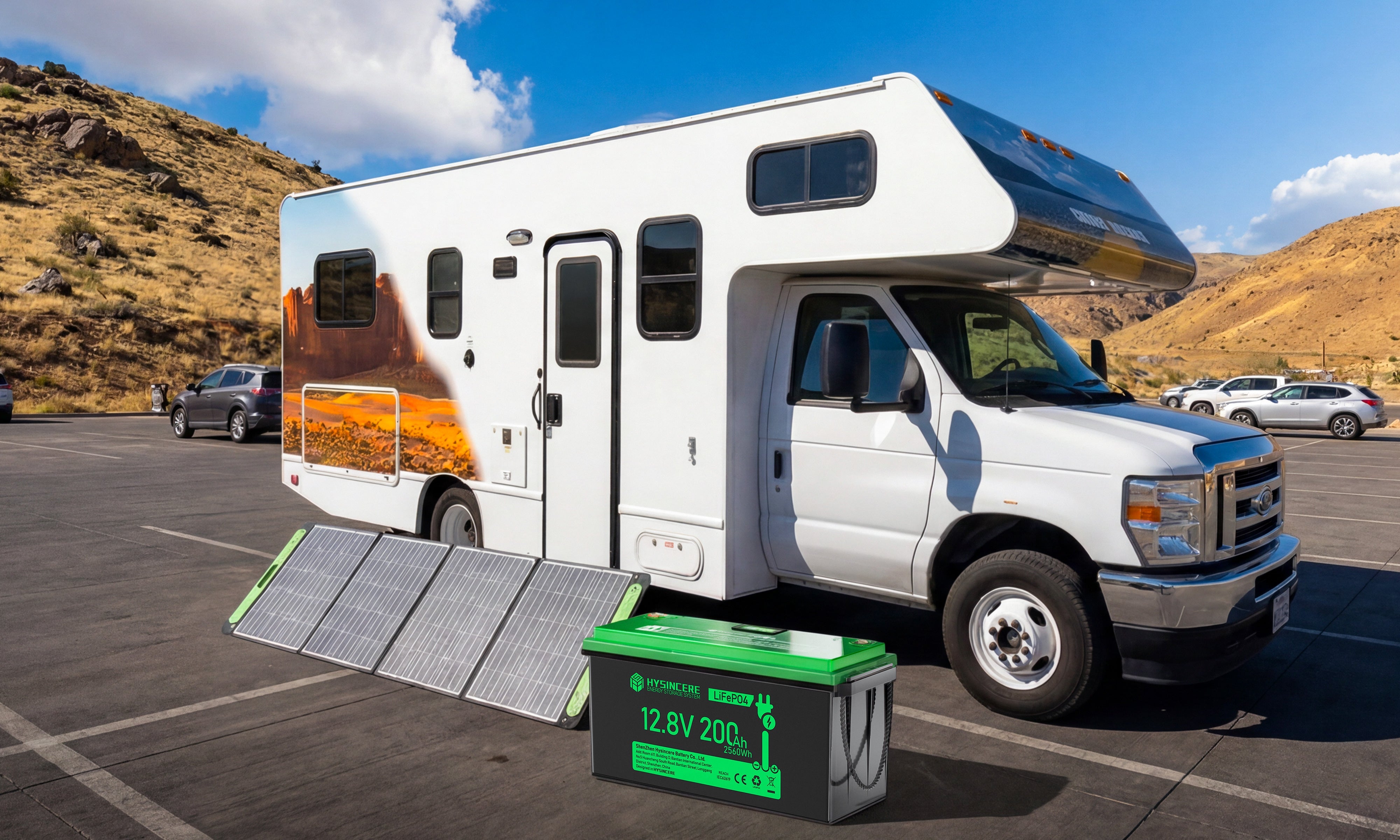
Choosing the right battery is an important decision for RV owners, boaters, and solar users. While traditional lead-acid batteries often have a lower upfront cost, their shorter lifespan and limited usable capacity can result in higher expenses over time.
LiFePO4 batteries usually require a higher initial investment, but their longer service life, higher efficiency, and lower maintenance requirements make them a more cost-effective solution in the long run.
This guide compares AGM, lead-acid, and LiFePO4 batteries to help you choose the right option for your power needs.
Understanding Lead Acid Batteries
Lead-acid batteries are one of the oldest rechargeable battery technologies and have been widely used in vehicles, boats, and backup power systems.
Advantages of Lead Acid Batteries
Lead-acid batteries remain popular because they are affordable and easy to find. They can be a practical choice for applications that require occasional power usage and a lower initial investment.
Limitations of Lead Acid Batteries
However, lead-acid batteries have several limitations:
- Shorter lifespan compared with lithium batteries
- Heavier weight
- Lower usable capacity
- Slower charging speed
- Regular maintenance requirements for some models
Most lead-acid batteries are recommended to be discharged only to around 50% of their rated capacity to maintain battery health.
Understanding AGM Batteries
AGM (Absorbent Glass Mat) batteries are an improved type of sealed lead-acid battery. They use a fiberglass mat to hold the electrolyte, making them more resistant to vibration and easier to maintain.
Advantages of AGM Batteries
AGM batteries provide better performance than traditional flooded lead-acid batteries. They are sealed, require less maintenance, and are commonly used in RVs, marine applications, and backup power systems.
Limitations of AGM Batteries
Despite these improvements, AGM batteries still share some limitations of lead-acid technology:
- Higher cost compared with standard lead acid
- Heavier than lithium alternatives
- Fewer charge cycles than LiFePO4 batteries
- Reduced performance when deeply discharged frequently
Understanding LiFePO4 Batteries
Lithium Iron Phosphate (LiFePO4) batteries have become increasingly popular for RV, marine, home energy storage, and solar applications due to their efficiency and durability.
Compared with traditional battery technologies, LiFePO4 batteries offer:
- Longer cycle life
- Higher usable capacity
- Faster charging performance
- Lightweight design
- Built-in battery management systems for safety protection
HysincerePower LiFePO4 batteries are designed to provide reliable energy storage for outdoor adventures and everyday power needs.

Cost Comparison: Initial Price vs Long-Term Value
The purchase price is only one factor when choosing a battery. The total cost of ownership includes lifespan, replacement frequency, maintenance, and usable energy.
| Battery Type | Initial Cost | Typical Lifespan | Maintenance |
|---|---|---|---|
| Lead Acid | Lower | 1–3 years | Higher |
| AGM | Medium | 3–5 years | Low |
| LiFePO4 | Higher | 8–10+ years | Minimal |
Although LiFePO4 batteries usually cost more upfront, their longer lifespan means users may spend less on replacements over the lifetime of the system.
Usable Capacity Comparison
Battery capacity is measured in amp-hours (Ah), but the actual energy available depends on how deeply the battery can safely discharge.
For example:
A 100Ah lead-acid battery typically provides around 50Ah of usable capacity when following recommended discharge limits.
A 100Ah LiFePO4 battery can provide close to its full rated capacity, giving users more usable energy from the same battery size.
Which Battery Is Best for RV, Marine, and Solar Applications?
RV Applications
For RV owners who rely on battery power during camping trips, LiFePO4 batteries provide advantages such as longer runtime, reduced weight, and better compatibility with solar charging systems.
Marine Applications
For fishing boats and trolling motors, battery weight and consistent power output are important. LiFePO4 batteries help reduce overall weight while providing stable energy throughout the day.
Solar Energy Storage
Solar systems require batteries that can handle frequent charging and discharging cycles. LiFePO4 technology is well suited for these applications because of its long cycle life and high efficiency.

Final Thoughts: Is LiFePO4 Worth the Investment?
Lead-acid and AGM batteries can still be suitable for certain applications where upfront cost is the main concern.
However, for users who need reliable power, longer service life, and lower long-term costs, LiFePO4 batteries offer significant advantages.
Whether you are upgrading an RV, powering a boat, or building a solar energy system, choosing the right battery technology can make a major difference in performance and overall value.
Teilen:
Warum LiFePO4-Batterien die Zukunft für die Stromversorgung von Booten, Wohnmobilen und Off-Grid-Systemen sind
Outdoor Cooking with a Battery: How Much Power Do You Really Need?